


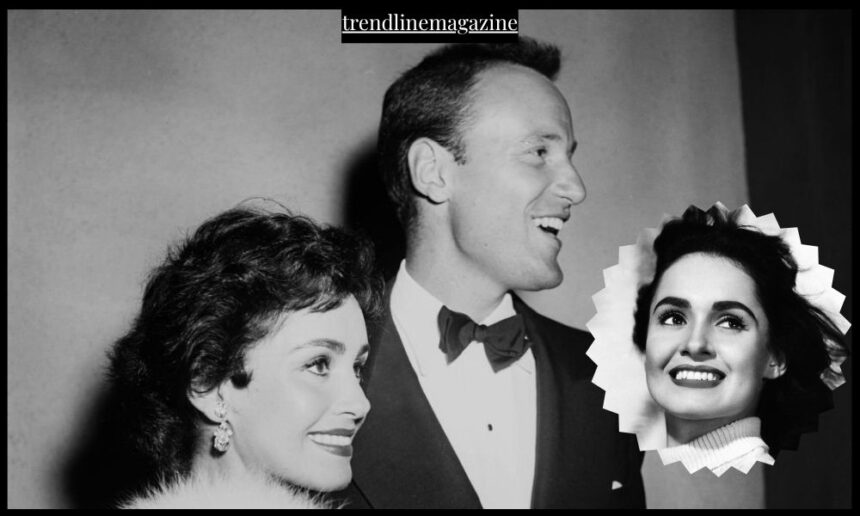
Susan Cabot was an American film, stage, and television actress best remembered for her work in 1950s Hollywood and her final screen role in Roger Corman’s cult horror film The Wasp Woman. Born Harriet Pearl Shapiro, Susan Cabot became known through Westerns, low-budget thrillers, and B-movie productions that later gained a loyal fan following. Her career included films such as Tomahawk, The Duel at Silver Creek, Gunsmoke, Machine-Gun Kelly, and The Wasp Woman. Yet her legacy is also shaped by deep personal struggles, years away from the spotlight, and her tragic death in 1986. Today, Cabot is remembered as both a cult film actress and a haunting example of how old Hollywood glamour could hide pain, isolation, and unresolved trauma.
| Quick Bio | Details |
|---|---|
| Full Name | Harriet Pearl Shapiro |
| Stage Name | Susan Cabot |
| Date of Birth | July 9, 1927 |
| Birthplace | Boston, Massachusetts, United States |
| Date of Death | December 10, 1986 |
| Place of Death | Los Angeles, California, United States |
| Profession | Actress |
| Known For | The Wasp Woman, Western films, Roger Corman productions |
| Active Years | 1947–1970 |
| Famous Role | Janice Starlin in The Wasp Woman |
| Child | Timothy Scott Roman |
| Public Legacy | Cult film star with a tragic final chapter |
Susan Cabot’s Early Life Was Marked by Hardship
Susan Cabot’s early life was far from the glamour people often associate with Hollywood. She was born Harriet Pearl Shapiro in Boston, Massachusetts, in 1927. Public biographies note that her childhood included major instability after her father left and her mother was institutionalized. Cabot was later raised in multiple foster homes, which created a difficult and uncertain foundation for her early years. This background matters because it helps explain why her later life cannot be viewed only through movie posters and screen credits. Behind the actress was a woman who had faced insecurity, loss, and emotional strain long before she became part of the film industry.
How Susan Cabot Entered Entertainment
Before becoming a Hollywood actress, Susan Cabot worked in creative spaces and developed an interest in performance. She attended high school in Manhattan and became involved in dramatics. She also worked as an illustrator and performed as a singer in New York. These early experiences helped move her toward entertainment before film studios noticed her. Cabot’s path was not an instant rise from obscurity to stardom. It was shaped by survival, work, talent, and a desire to create a new identity for herself. Like many performers of her era, she adopted a professional name and entered Hollywood during a time when studios were still shaping actors into marketable screen personalities.
Her First Steps in Hollywood
Susan Cabot made her film debut in the 1947 film noir Kiss of Death, though her role was uncredited. Even a small early role was important because it placed her inside the professional film world. She later gained more visible opportunities after being cast in On the Isle of Samoa in 1950. That role helped open the door to Hollywood studio work, including a contract with Universal Pictures. During the early 1950s, Cabot appeared in several films that used her striking screen presence, dark beauty, and dramatic energy. She became part of a generation of actresses who worked steadily in genre films, adventure stories, and Westerns without always receiving the lasting mainstream recognition they deserved.
Susan Cabot’s Rise in Western Films
Cabot became especially visible through Westerns and adventure films in the early 1950s. Her credits included Tomahawk, The Battle at Apache Pass, The Duel at Silver Creek, Son of Ali Baba, Gunsmoke, and Ride Clear of Diablo. These films helped establish her as a recognizable face in studio-era genre entertainment. Westerns were extremely popular during that time, and actresses often played roles that mixed romance, danger, and frontier drama. Cabot’s performances gave her a steady career, even if she did not become one of the biggest leading stars of the decade. Her work from this period remains important for fans of classic Hollywood Westerns.
Why Susan Cabot Stood Out on Screen
Susan Cabot stood out because she had a strong screen look and an intense presence. She could appear glamorous, mysterious, vulnerable, or sharp depending on the role. Many of her films were genre pictures rather than prestige dramas, but that does not reduce her value as an actress. In old Hollywood, genre performers often worked under tight schedules and limited budgets. They had to create memorable characters quickly and effectively. Cabot did that in Westerns, crime films, and later horror. Her appeal came from a mix of classic beauty and emotional edge, which made her especially effective in darker or more dramatic roles.
Her Work With Roger Corman
Susan Cabot’s name is strongly linked to filmmaker Roger Corman, whose low-budget productions became famous for launching careers and creating cult classics. Cabot appeared in several Corman-related films, including Carnival Rock, Sorority Girl, War of the Satellites, Machine-Gun Kelly, and The Wasp Woman. Corman’s films often moved quickly, used bold ideas, and relied on actors who could bring energy to unusual stories. Cabot fit that world well. She had enough screen authority to make strange material watchable, and her performances helped some of these films remain memorable long after their original release.
The Wasp Woman and Her Cult Film Legacy
Susan Cabot’s most famous role came in The Wasp Woman, released in 1959. In the film, she played Janice Starlin, a cosmetics executive who becomes involved with an experimental youth serum made from wasp enzymes. The story mixed beauty anxiety, science-fiction horror, and B-movie shock value. Although the film was low-budget, it became a cult title because of its strange concept and memorable central performance. Cabot’s role remains her most recognized screen appearance today. For many modern viewers, The Wasp Woman is the first film that brings her name back into conversation.
Why The Wasp Woman Still Matters
The Wasp Woman still matters because it reflects fears that remain relevant: aging, beauty pressure, identity, and the danger of chasing impossible perfection. Cabot’s character is not just a monster figure. She is a woman pressured by business, appearance, and public expectations. That gives the film more depth than its title may suggest. Modern audiences may watch it as campy horror, but it also says something about how women in beauty-driven industries were judged. Cabot’s performance helped give the story emotional weight, even within a low-budget production. That is one reason the movie continues to be discussed by horror and cult cinema fans.
Susan Cabot’s Life Away From Hollywood
After the late 1950s, Susan Cabot’s screen career slowed. Public biographies state that she spent much of the following decades largely away from the spotlight, though she did appear in theater and made a television appearance on Bracken’s World in 1970. Her retreat from Hollywood added mystery to her later life. Many actors from the studio era struggled when the industry changed, roles became limited, or personal challenges became overwhelming. Cabot’s story followed a quieter and sadder path. She did not remain a constant celebrity presence. Instead, she became increasingly private, and her public image faded before tragedy brought her name back into headlines.
Her Personal Life and Motherhood
Susan Cabot had one son, Timothy Scott Roman. Her relationship with motherhood became central to the tragic final chapter of her life. Public accounts describe Timothy as having health issues, including dwarfism and pituitary gland problems. Cabot’s later years were reportedly marked by emotional distress and mental health struggles. Because these details involve real people and painful circumstances, they should be discussed with care. Her story should not be reduced to shock value. It is a story about fame, trauma, illness, caregiving, fear, and a mother-son relationship that ended in devastating violence.
The Tragic Death of Susan Cabot
Susan Cabot died on December 10, 1986, in Los Angeles. Her son, Timothy Scott Roman, was arrested after her death. Reports from the case said Cabot was killed with a weightlifting bar, and Roman later faced legal proceedings connected to the killing. The case attracted attention because Cabot had once been a Hollywood actress and because the details were disturbing. Roman initially gave police a false story, but the investigation later focused on what happened inside the home. The case became one of the darker true-crime stories connected to old Hollywood.
The Court Case After Her Death
The legal outcome of Susan Cabot’s death was complex. Public records and reports state that Timothy Scott Roman was ultimately convicted of involuntary manslaughter, not murder. Prosecutors changed the charge after evidence did not support premeditation. Roman received probation and was ordered to seek psychiatric counseling, with credit for time already served. The court case included discussions of Cabot’s mental health, Roman’s medical condition, and the events that led to the fatal attack. This outcome did not make the tragedy less painful. It simply showed that the legal system viewed the case as more complicated than a planned killing.
Why Her Story Became a Hollywood Mystery
Susan Cabot’s story became haunting because it combines several powerful elements: a difficult childhood, a Hollywood career, a cult horror legacy, years of isolation, mental health struggles, and a shocking death. These elements make her life feel almost like a film noir story, but it was real. That is why readers still search her name. They want to understand how a woman who once appeared on movie screens ended her life in such a tragic way. Her story continues to attract attention because it reveals the fragile human reality behind old Hollywood images.
Susan Cabot’s Career Should Not Be Overshadowed
Although her death is widely discussed, Susan Cabot’s career should not be forgotten. She worked across film, stage, and television. She appeared in Westerns, adventure films, crime stories, science fiction, and horror. She worked with Universal Pictures and later became part of Roger Corman’s cult film world. Her career may not have reached the height of major studio legends, but it mattered. Many actors from her era contributed to popular entertainment without always becoming household names. Cabot was one of those performers. Her screen work deserves recognition beyond the tragedy that ended her life.
Why Susan Cabot Still Has Fans
Susan Cabot still has fans because classic film audiences often rediscover actors through genre cinema. Westerns, noir films, and B-movies have loyal communities that appreciate performers who gave personality to lower-budget productions. The Wasp Woman also keeps her name alive among horror fans. Viewers who enjoy Roger Corman’s films often see Cabot as part of the strange, creative, fast-moving world of 1950s cult cinema. Her legacy is not based only on fame. It is based on memorable roles, unusual films, and a life story that feels both glamorous and deeply sad.
Susan Cabot’s Net Worth
Susan Cabot’s exact net worth at the time of her death is not publicly confirmed through reliable financial records. Some websites may publish estimates, but those numbers should be treated carefully. Her career included acting work in films, theater, and television, but she was not known as one of the highest-paid actresses of her time. By the later part of her life, she had largely stepped away from regular screen work. The most accurate answer is that her personal finances remain unclear, and any exact figure should be viewed as speculation.
Final Thoughts on Susan Cabot
Susan Cabot is remembered as a 1950s actress, a Roger Corman performer, and the star of The Wasp Woman. But her story is also about survival, struggle, and tragedy. She rose from a difficult childhood to Hollywood screens, worked in popular genre films, and left behind performances that still interest classic movie fans. Her death remains a painful and shocking part of her legacy, but it should not be the only thing that defines her. Susan Cabot’s life deserves to be remembered with both honesty and compassion: a talented actress whose Hollywood journey ended far too sadly.
FAQs About Susan Cabot
Who was Susan Cabot?
Susan Cabot was an American actress known for films in the 1950s, especially Westerns and Roger Corman productions. She is best remembered today for starring in The Wasp Woman.
What was Susan Cabot’s real name?
Susan Cabot was born Harriet Pearl Shapiro on July 9, 1927, in Boston, Massachusetts.
What is Susan Cabot best known for?
She is best known for playing Janice Starlin in Roger Corman’s 1959 cult horror film The Wasp Woman.
Was Susan Cabot in Western films?
Yes. Susan Cabot appeared in several Westerns and adventure films, including Tomahawk, The Battle at Apache Pass, The Duel at Silver Creek, and Gunsmoke.
Did Susan Cabot work with Roger Corman?
Yes. She appeared in several films connected to Roger Corman, including Sorority Girl, War of the Satellites, Machine-Gun Kelly, and The Wasp Woman.
When did Susan Cabot die?
Susan Cabot died on December 10, 1986, in Los Angeles, California.
How did Susan Cabot die?
Susan Cabot was killed in her home. Her son, Timothy Scott Roman, was later convicted of involuntary manslaughter in connection with her death.
Who was Susan Cabot’s son?
Her son was Timothy Scott Roman. Public reports describe him as having health problems, including dwarfism and pituitary gland issues.
Why is Susan Cabot’s death famous?
Her death became famous because she had been a Hollywood actress and because the case involved her son, a violent killing, mental health concerns, and a complicated legal outcome.
Was Susan Cabot a major Hollywood star?
Susan Cabot was not a top-tier mainstream Hollywood star, but she was a recognizable actress in 1950s genre films and later became a cult figure through The Wasp Woman.
What was Susan Cabot’s final film?
Her final film appearance was in The Wasp Woman, released in 1959.
Did Susan Cabot continue acting after the 1950s?
She largely stepped away from film after the 1950s, though she appeared in theater and had a television appearance on Bracken’s World in 1970.
What makes Susan Cabot’s story haunting?
Her story is haunting because it includes a difficult childhood, Hollywood fame, cult film recognition, personal struggles, isolation, and a tragic death.
What is Susan Cabot’s legacy?
Her legacy rests in classic Hollywood genre cinema, especially Westerns and cult horror, as well as the tragic true-crime story that brought her name back into public attention.
Why do people still search for Susan Cabot?
People search for Susan Cabot because of The Wasp Woman, her old Hollywood career, her mysterious later life, and the tragic circumstances of her death.